Focus
Chargers and batteries
Electric fleets work better when charging strategy is planned alongside truck selection instead of after it.
Electric equipment works better when the surrounding systems are planned too. Charging, fleet data, rack fit, and day-to-day workflow all influence whether a forklift decision improves the operation or creates new friction.
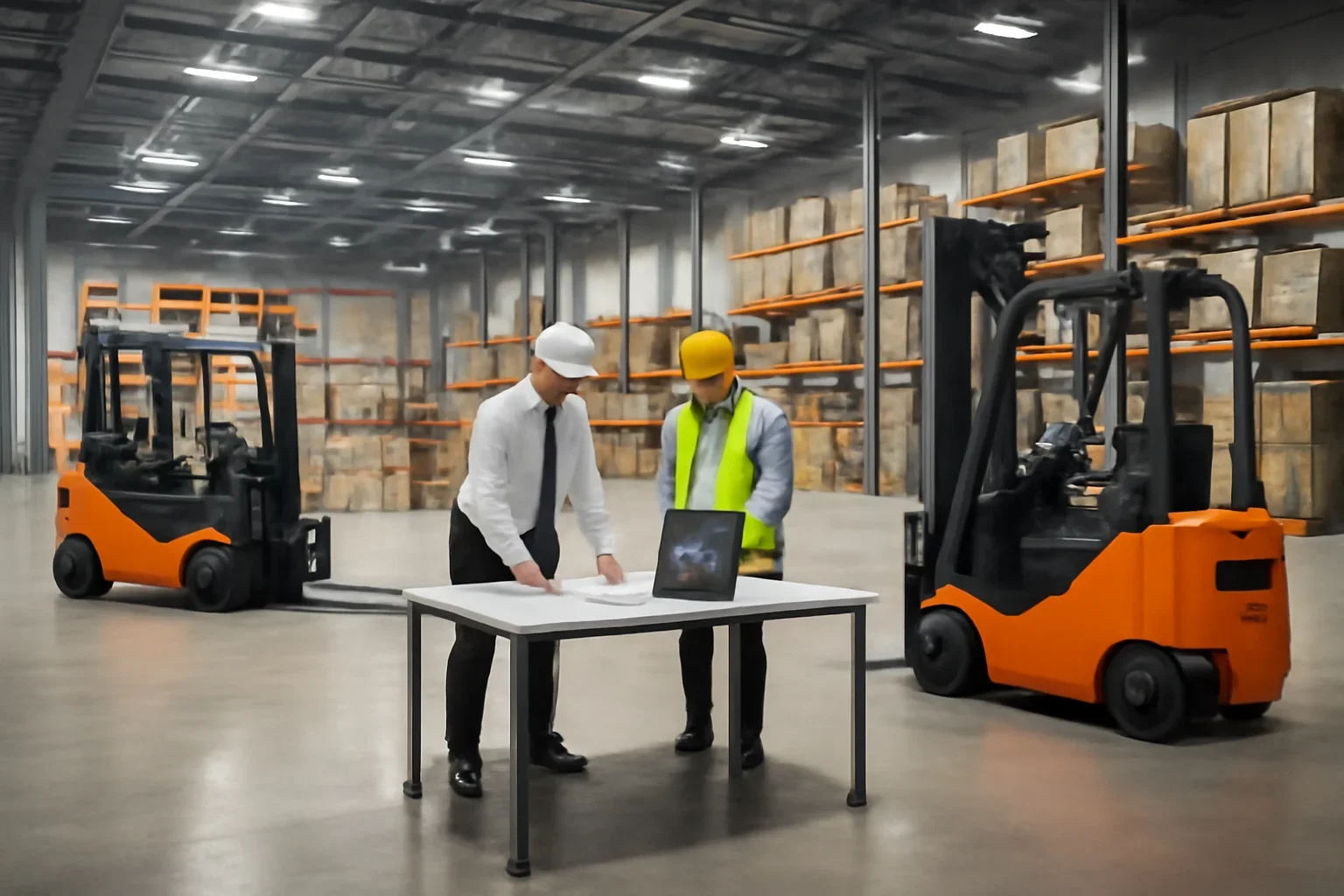
Compatible chargers, telematics, racking workflows, and warehouse add-ons. The best path usually becomes clearer once you look at the workload, battery strategy, service expectations, and whether the project calls for flexibility, long-term ownership, or immediate support. Common questions in this area include forklift charger integration and warehouse equipment integration.
Truck selection affects charger sizing, battery room layout, rack access, telematics, operator habits, and how easily the fleet can grow later.
A charger placed in the wrong area, a rack aisle that is too tight, or a truck that does not match the data you want to collect can create friction that operators feel immediately.
Looking at the truck, charger, storage system, and service plan together helps avoid fixes that have to be repeated once the fleet is in use.

Electric fleets work better when charging strategy is planned alongside truck selection instead of after it.
Rack spacing, aisle width, pallet profile, and turning radius affect both safety and productivity.
Telematics and reporting can support maintenance planning, operator accountability, and equipment utilization.
You can also review Telematics, Battery Chargers Integration, Racking & Storage Integration, and Request a Quote to compare options before you move ahead.
Send us a few details about your equipment, battery, rental, service, or layout needs and we will outline the next step that fits your operation.

Start with your loads, lift height, aisle constraints, shift structure, and whether flexibility or long-term ownership matters most.
Yes. We regularly help companies compare equipment classes, battery setups, rental terms, and purchasing paths before they decide.
You will get a practical follow-up focused on fit, timing, and the next step rather than a generic sales response.