Focus
Operational fit
Case Studies should support the way your team moves loads today while leaving room for future changes in the fleet.

Warehouse projects often follow similar decision paths even when the facilities are different. Looking at representative scenarios helps clarify how equipment choice, battery planning, and service support work together in the real world.
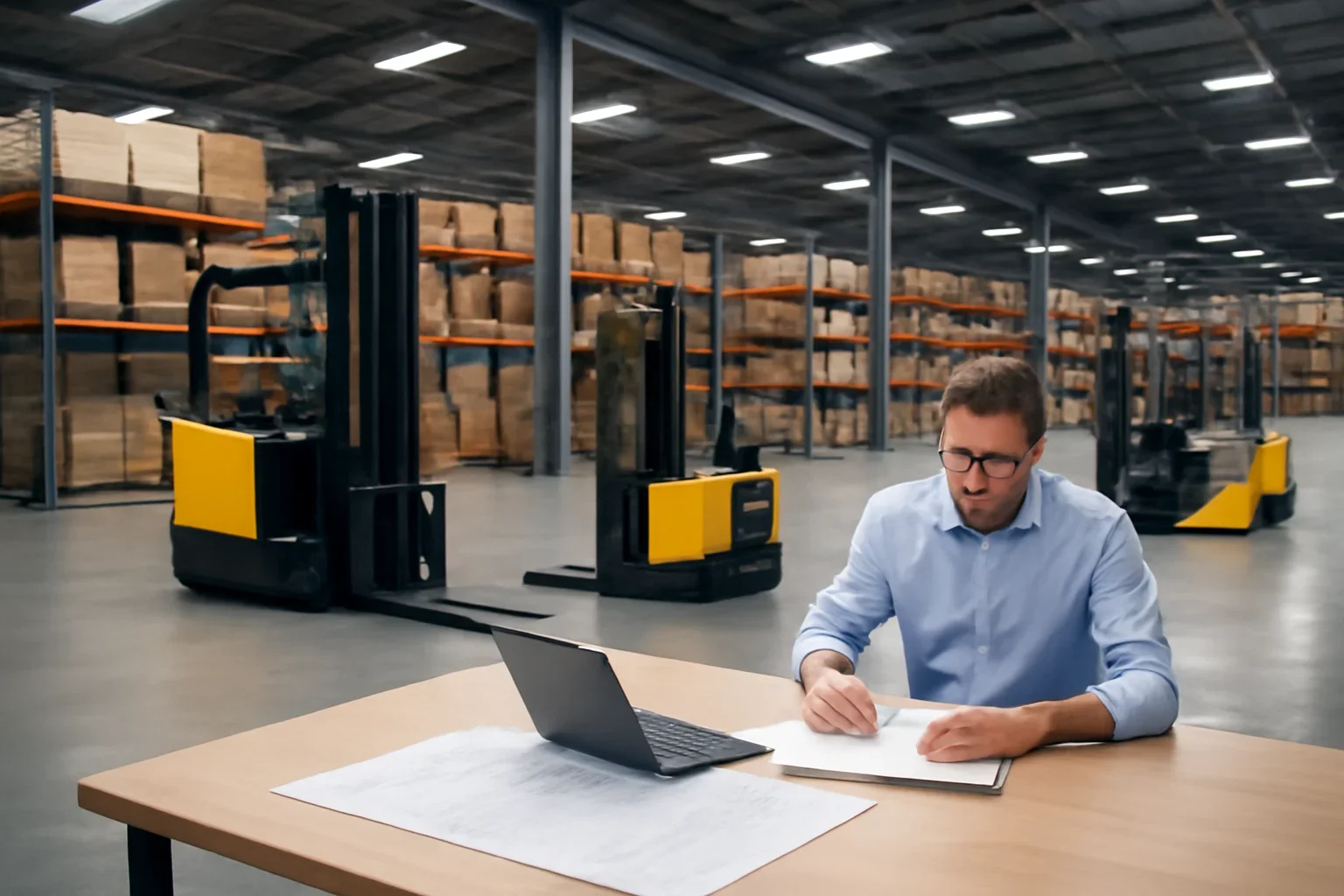
Customer outcomes, fleet upgrades, battery savings, and warehouse deployment stories. The best path usually becomes clearer once you look at the workload, battery strategy, service expectations, and whether the project calls for flexibility, long-term ownership, or immediate support. Common questions in this area include warehouse equipment case studies and forklift success stories.
Every facility comes with a different balance of uptime pressure, budget timing, battery condition, and storage layout. The most common projects we see involve replacing aging internal-combustion units, stabilizing battery performance, and choosing a better fit for narrow aisles or fast-turn inventory.
The strongest outcomes start with a clear view of the workload, the actual lift requirements, and the battery strategy. Once those are clear, the best sales, rental, lease, or service path is usually much easier to identify.
The point of a case-study review is not to force a template onto your operation. It is to show how other warehouse situations can be broken into practical decisions about equipment, power, and support.
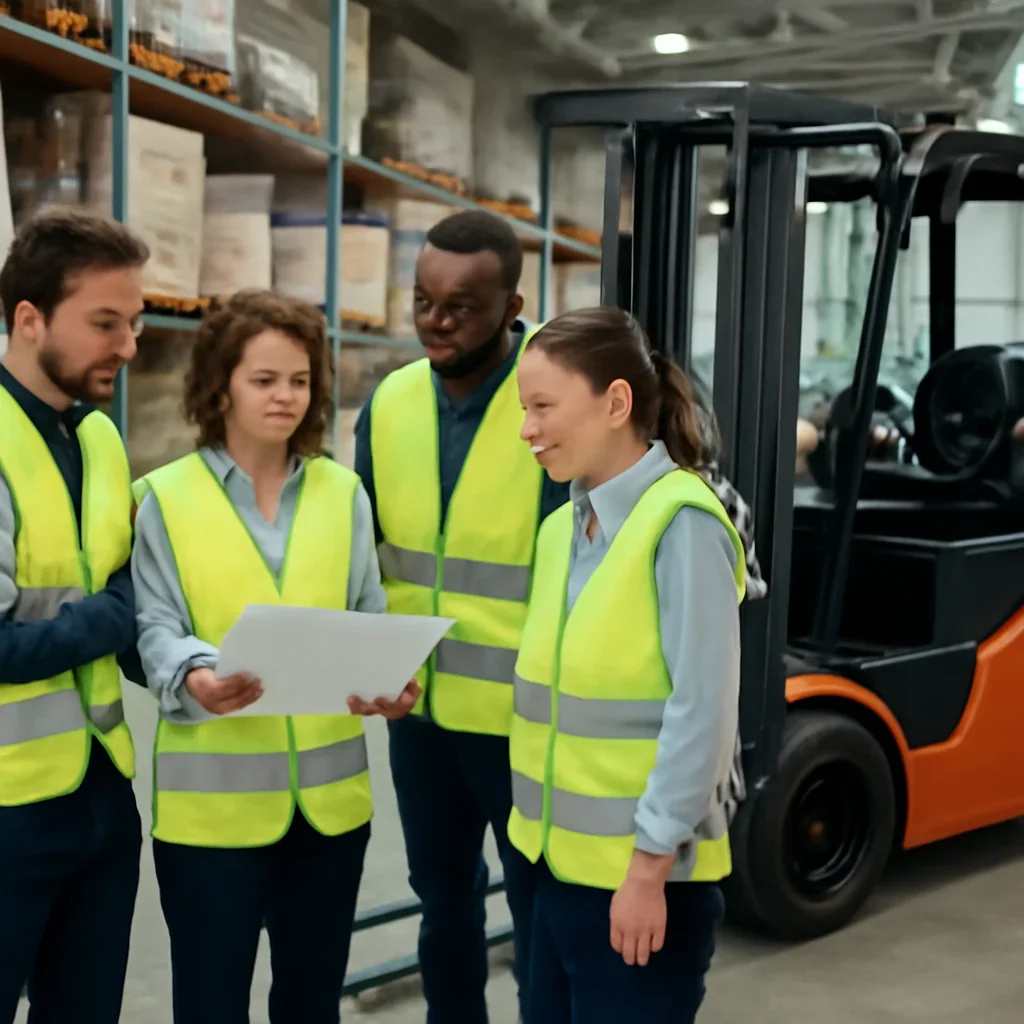
Case Studies should support the way your team moves loads today while leaving room for future changes in the fleet.
We help you sort through capacity, battery, service, and budget questions before you commit to equipment.
The goal is a practical recommendation, a realistic timeline, and a clear understanding of what happens after you reach out.
You can also review Solutions, Electric Forklifts, Planned Maintenance, and Request a Quote to compare options before you move ahead.
Send us a few details about your equipment, battery, rental, service, or layout needs and we will outline the next step that fits your operation.

Start with your loads, lift height, aisle constraints, shift structure, and whether flexibility or long-term ownership matters most.
Yes. We regularly help companies compare equipment classes, battery setups, rental terms, and purchasing paths before they decide.
You will get a practical follow-up focused on fit, timing, and the next step rather than a generic sales response.