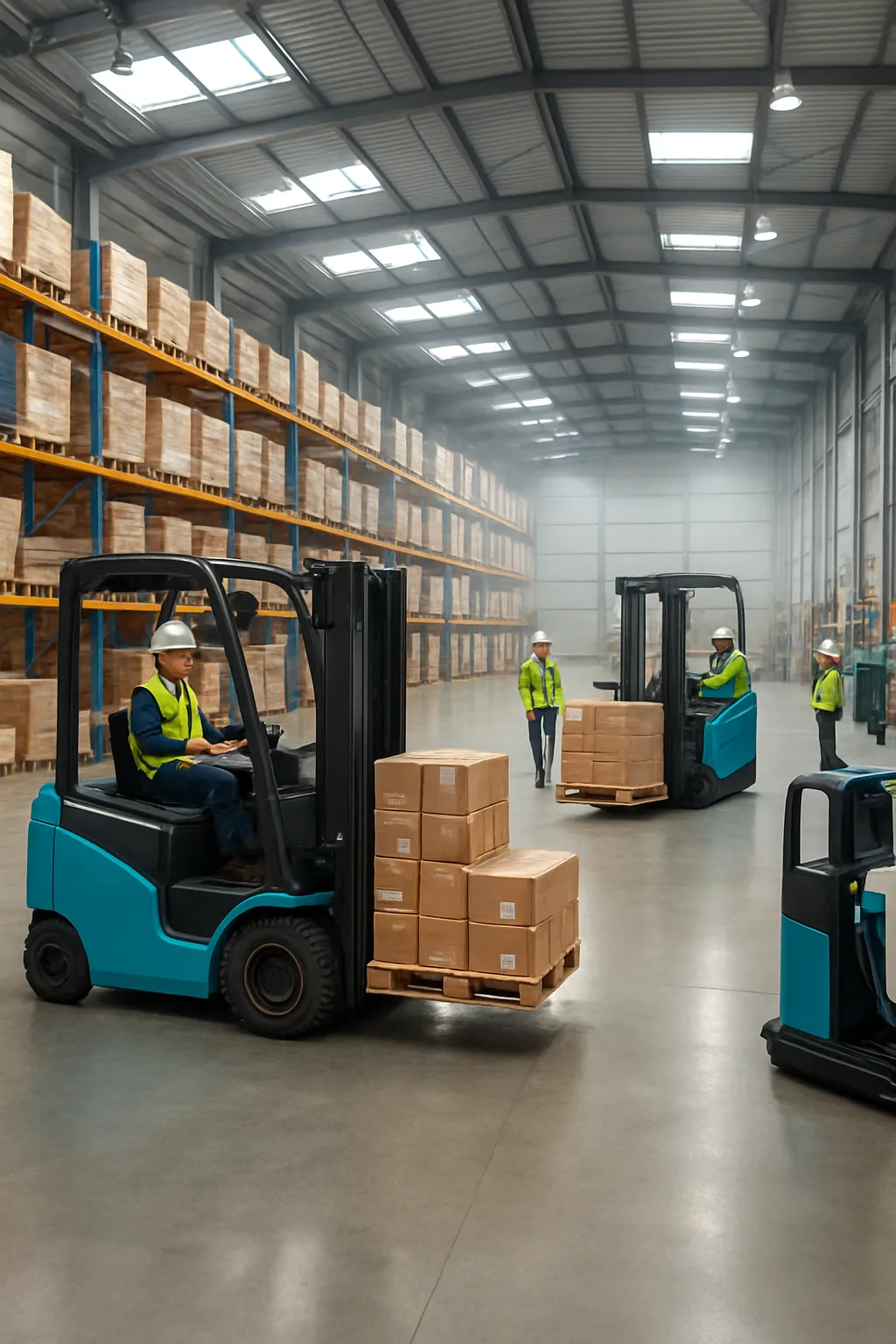
Operations
Multiple shifts
Modern fulfillment centres often operate multiple shifts to support continuous order processing.
Indoor air quality has become a top priority for modern warehouses, particularly as e-commerce, food distribution, and beverage manufacturing continue to expand. Businesses are under increasing pressure to create safer workplaces, meet environmental standards, and improve operational efficiency without compromising productivity.
One of the most effective ways to achieve these goals is by transitioning from internal combustion forklifts to electric fleets. Electric forklifts produce zero tailpipe emissions, operate more quietly, and require less routine maintenance, making them an ideal choice for indoor environments where employee health and product quality are critical.
As more warehouses modernize their equipment, electric fleets are becoming an essential part of long-term safety and sustainability strategies.
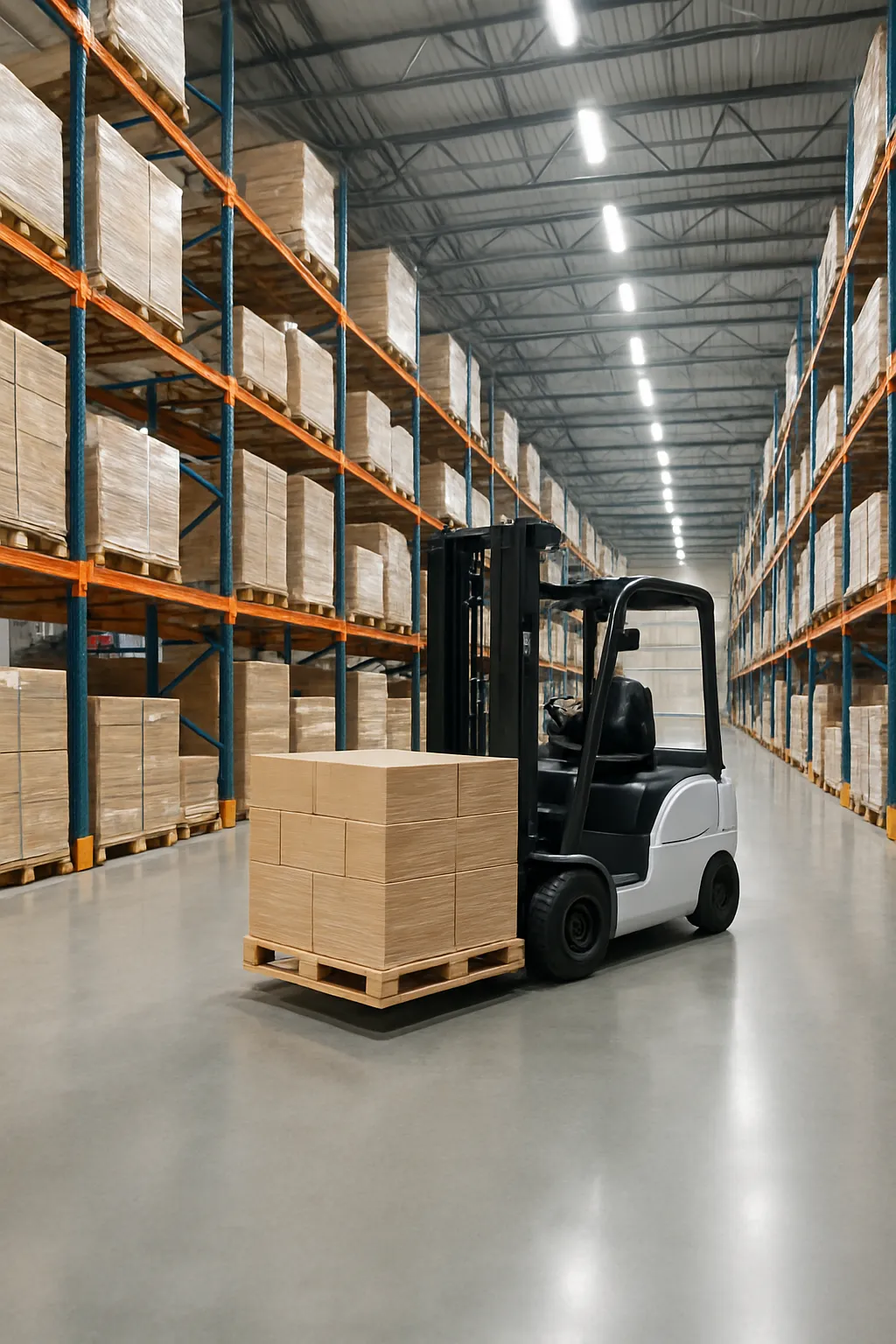
Warehouses are enclosed working environments where employees spend long hours operating equipment, picking orders, and managing inventory.
Poor indoor air quality can contribute to:
Traditional propane and diesel forklifts generate exhaust gases that require effective ventilation systems to maintain safe working conditions. Electric forklifts eliminate this concern by producing zero exhaust emissions during operation.
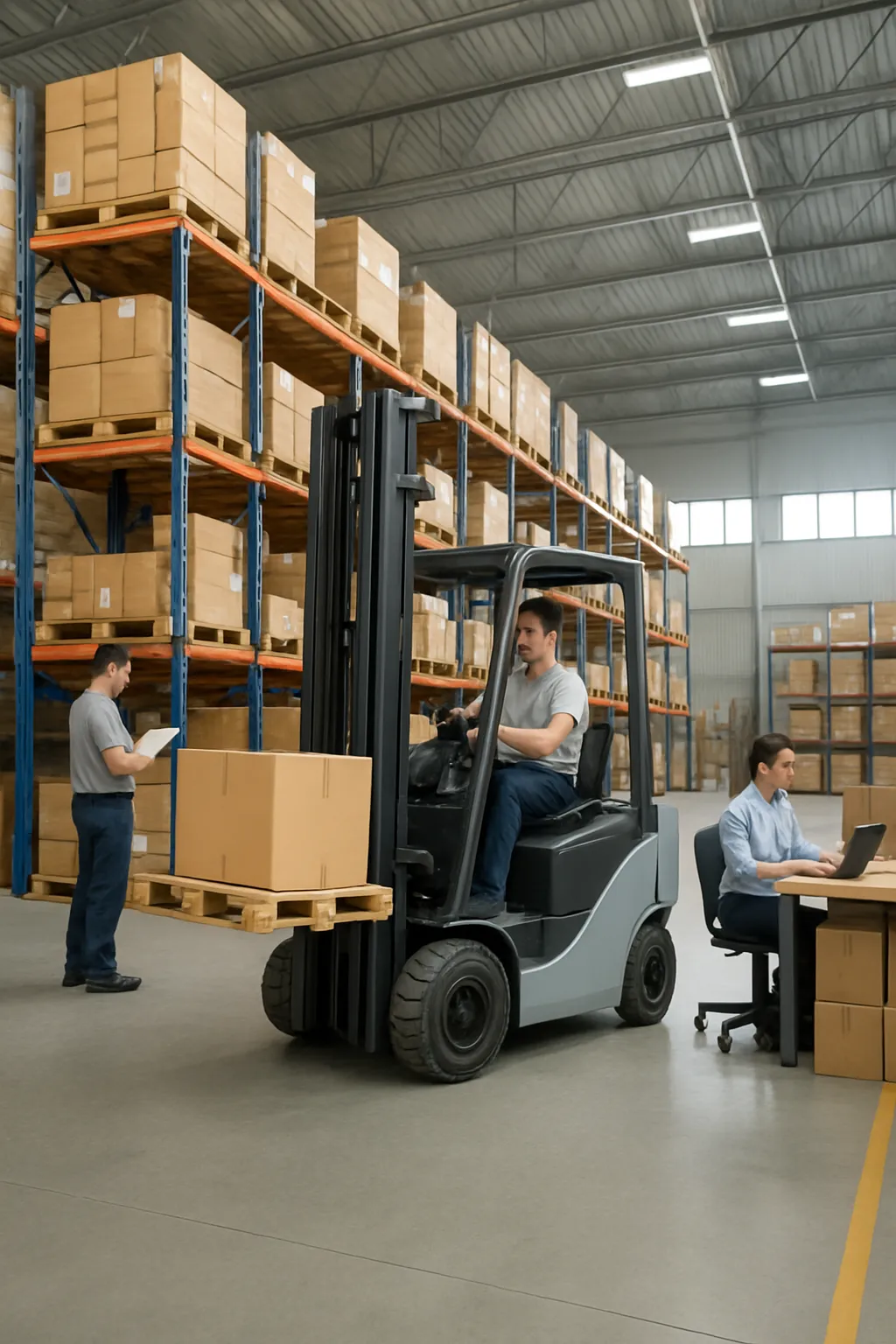
E-commerce has dramatically increased warehouse activity across North America.
Modern fulfillment centres often operate:
Modern fulfillment centres often operate multiple shifts to support continuous order processing.
High-density storage and narrow aisles help facilities maximize available warehouse space.
Continuous order picking and automated inventory systems support faster fulfillment operations.
Because these facilities prioritize speed and efficiency, maintaining a clean indoor environment has become increasingly important.
Electric forklifts support these operations by reducing emissions while improving operator comfort throughout extended work shifts.
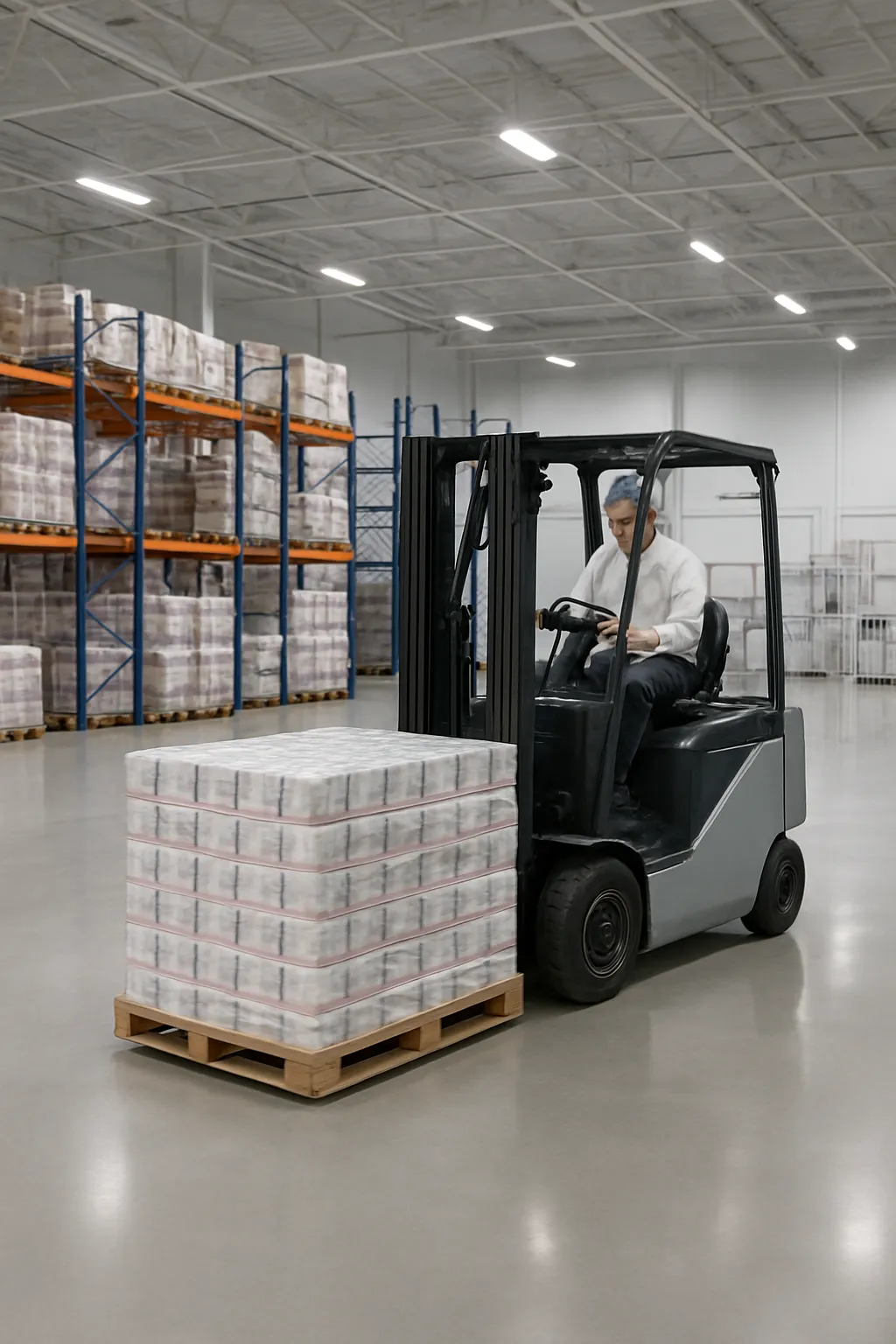
Food processing and beverage distribution facilities must maintain strict cleanliness standards.
Indoor combustion engines may introduce:
Electric forklifts help minimize these concerns, making them well-suited for facilities where hygiene and air quality directly affect product integrity.
Many businesses choose electric fleets to support compliance with workplace health and food safety expectations.
Air quality is only one benefit of electric forklifts. Noise reduction also improves warehouse environments.
Compared with internal combustion equipment, electric forklifts generally operate more quietly because they eliminate engine noise and vibration.
Lower noise levels help:
In busy fulfillment centres, improved communication can contribute directly to workplace safety.
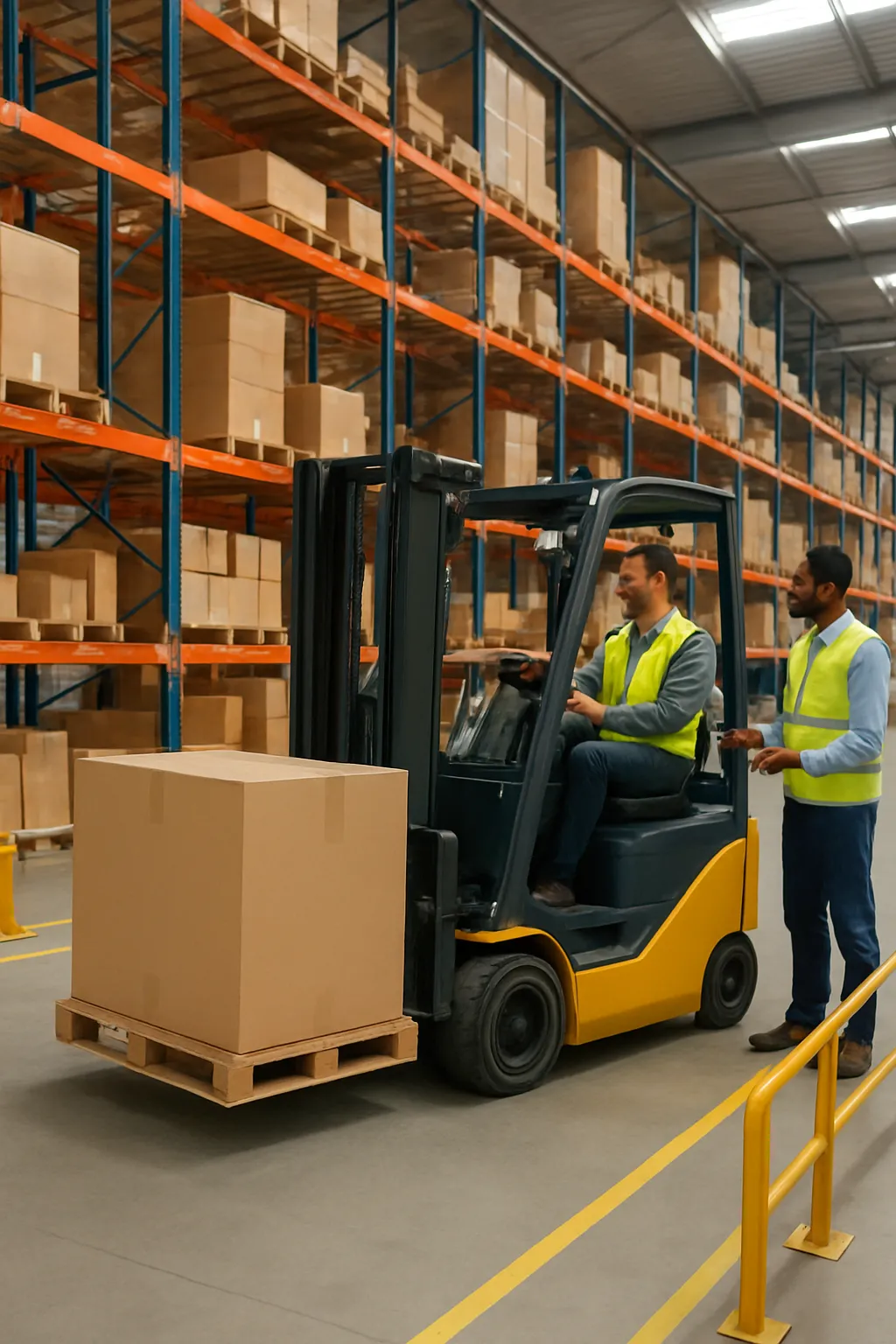
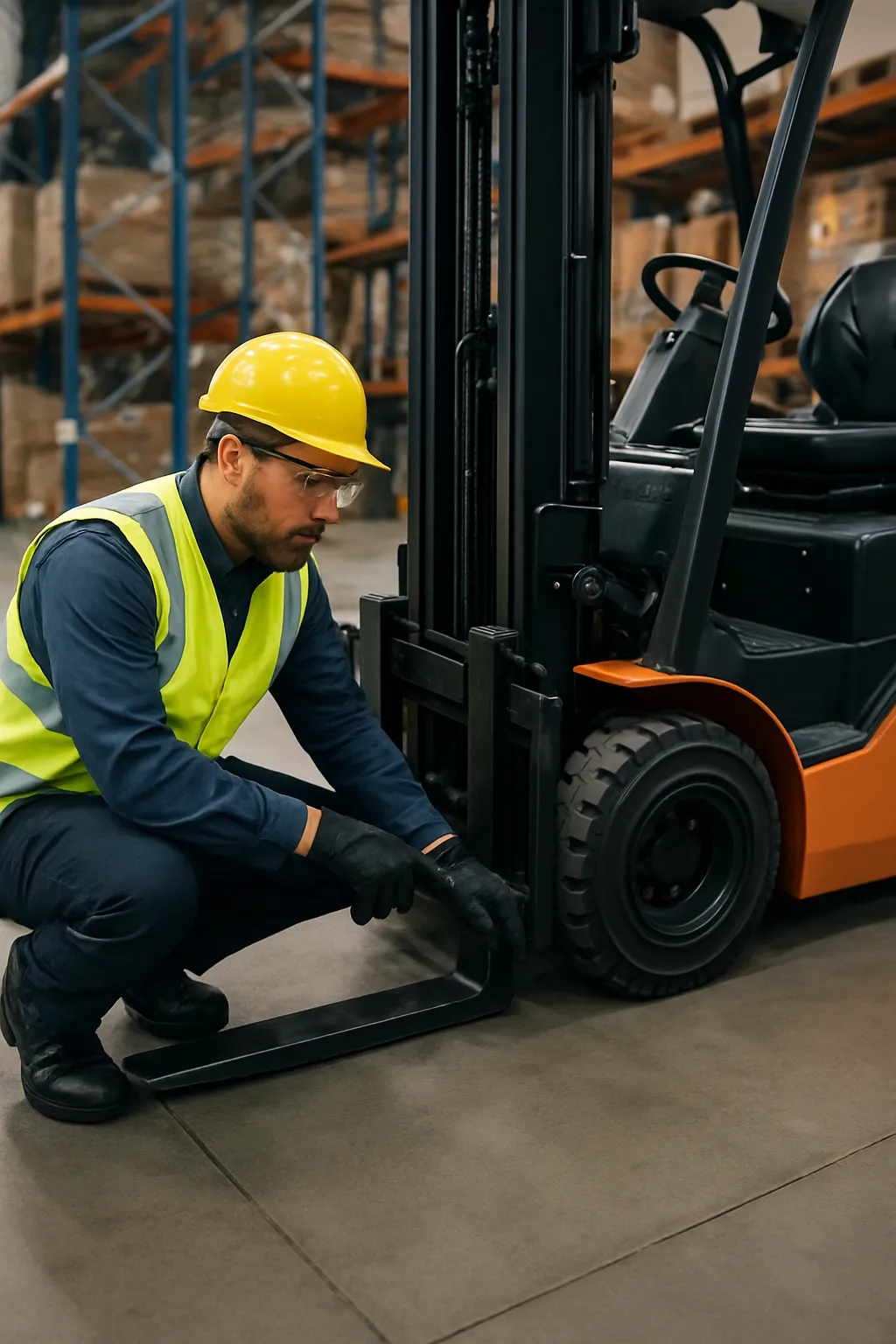
Safe warehouse operations depend on more than selecting the right equipment. Daily inspections remain essential for identifying maintenance issues before they become hazards.
Organizations should implement consistent pre-shift checklists, safety rules, and daily inspection guides. These practices help ensure forklifts remain safe, reliable, and compliant while reducing unexpected equipment failures.
Routine inspections also extend equipment life and support preventive maintenance programs.
Not every electric forklift serves the same purpose. Warehouse layouts, storage systems, and load requirements determine which equipment performs best.
For indoor operations, common electric equipment includes:
Reach trucks support high-density storage systems and narrow warehouse aisles.
Walkie stackers and pallet jacks support short-distance pallet movement and stacking tasks.
Electric counterbalance forklifts and order pickers support a wide range of indoor handling requirements.
Businesses evaluating indoor material handling equipment can explore Reach trucks and walkie stackers, as explained. Understanding the strengths of each forklift type helps improve productivity while maximizing available warehouse space.
Electric forklifts typically require less routine maintenance than internal combustion equipment.
Because they have fewer moving mechanical components, businesses often experience:
These savings contribute to a lower total cost of ownership over the equipment's lifecycle.
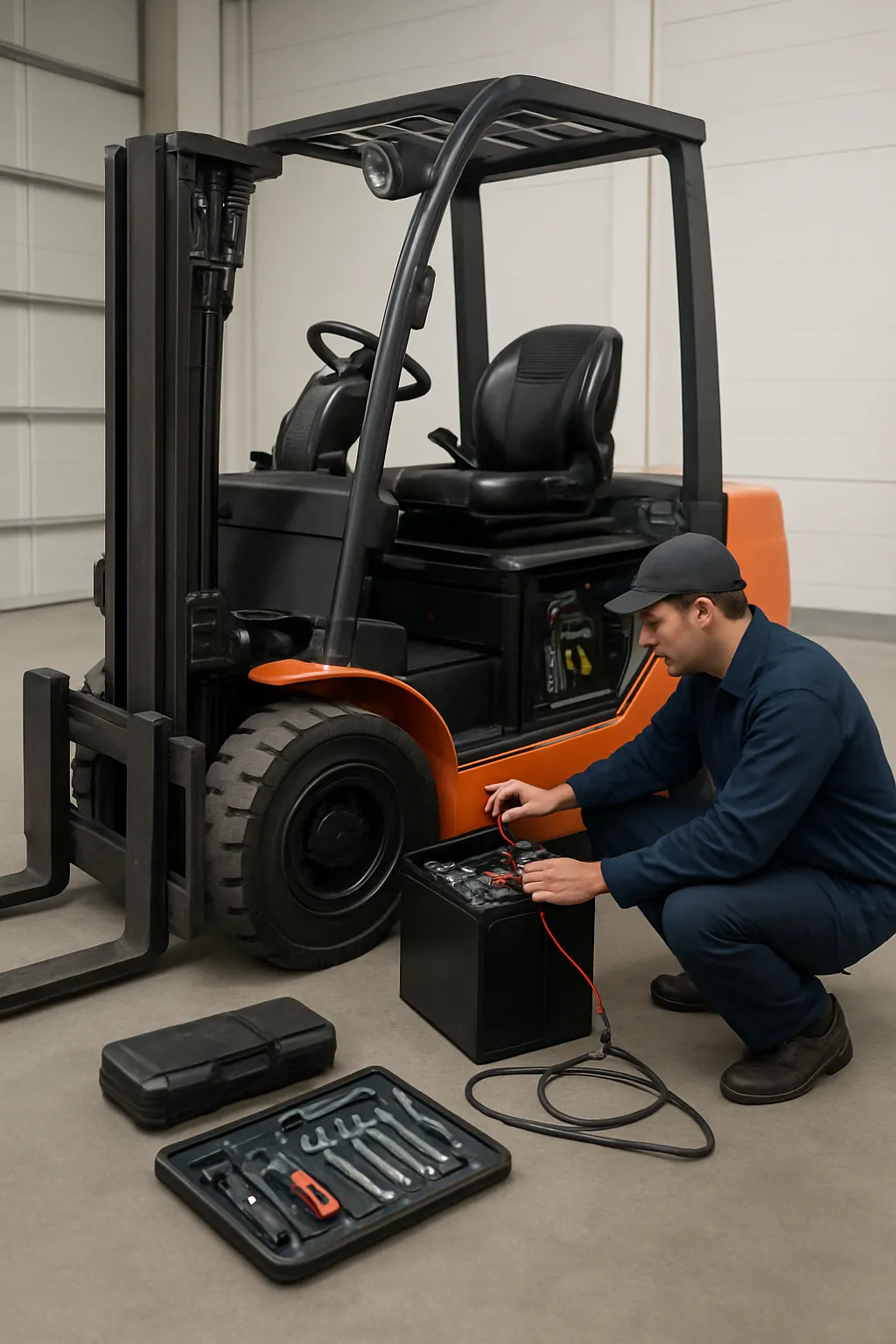

Many organizations have established environmental objectives aimed at reducing carbon emissions and improving energy efficiency.
Electric fleets help support these initiatives by:
Combined with renewable energy sources, electric forklifts can further reduce the environmental impact of warehouse operations.
Warehouse technology continues to evolve. Automation, warehouse management systems, and connected fleet monitoring increasingly integrate with electric forklifts to improve operational visibility and equipment utilization.
Organizations investing in electric fleets today position themselves for future technological advancements while creating safer workplaces for employees.
Planning charging infrastructure, maintenance procedures, and fleet replacement strategies early helps maximize the benefits of this transition.

Optimizing indoor air quality is no longer simply an environmental initiative; it's an operational advantage. Electric forklifts provide cleaner air, quieter workplaces, lower maintenance costs, and improved employee comfort, making them an ideal solution for e-commerce, food processing, and beverage distribution facilities.
When combined with consistent safety inspections, proper equipment selection, and ongoing operator training, electric fleets help organizations create healthier, safer, and more efficient warehouse environments. As businesses continue modernizing their operations, investing in electric material handling equipment represents a practical step toward long-term sustainability, improved productivity, and stronger workplace safety.