Advantage
Lower initial purchase cost
Lead-acid batteries generally have a lower initial purchase cost.
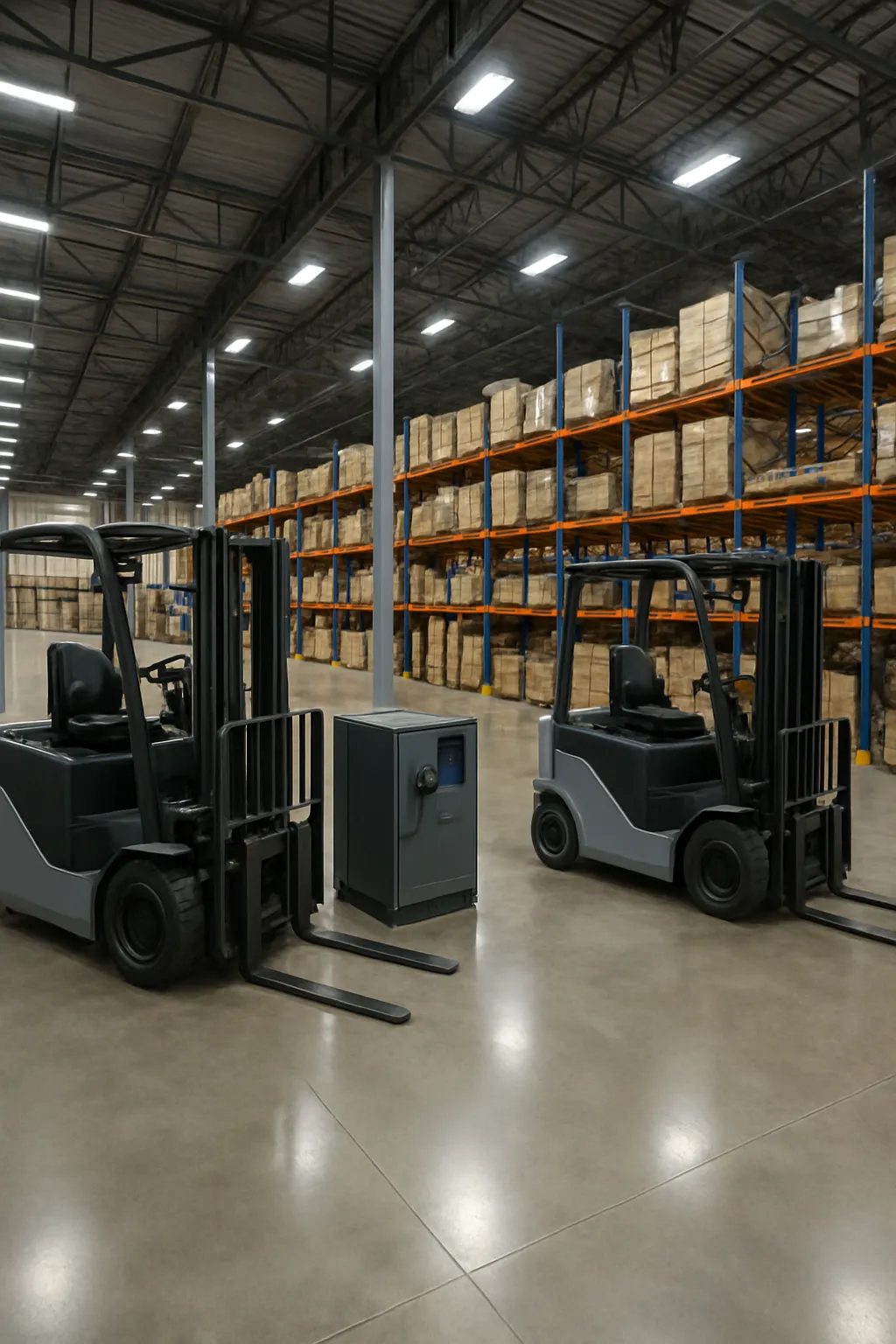
Warehouse operations in Houston demand equipment that can keep pace with high-volume distribution, manufacturing, retail logistics, and growing e-commerce activity. As businesses expand and modernize their fleets, choosing the right forklift battery has become a critical operational decision. While lead-acid batteries have powered electric forklifts for decades, lithium-ion technology is rapidly gaining popularity across North America due to its efficiency and lower maintenance requirements.
Fleet managers evaluating new equipment should consider more than just upfront costs. Charging time, maintenance, battery lifespan, productivity, and total cost of ownership all influence long-term performance.
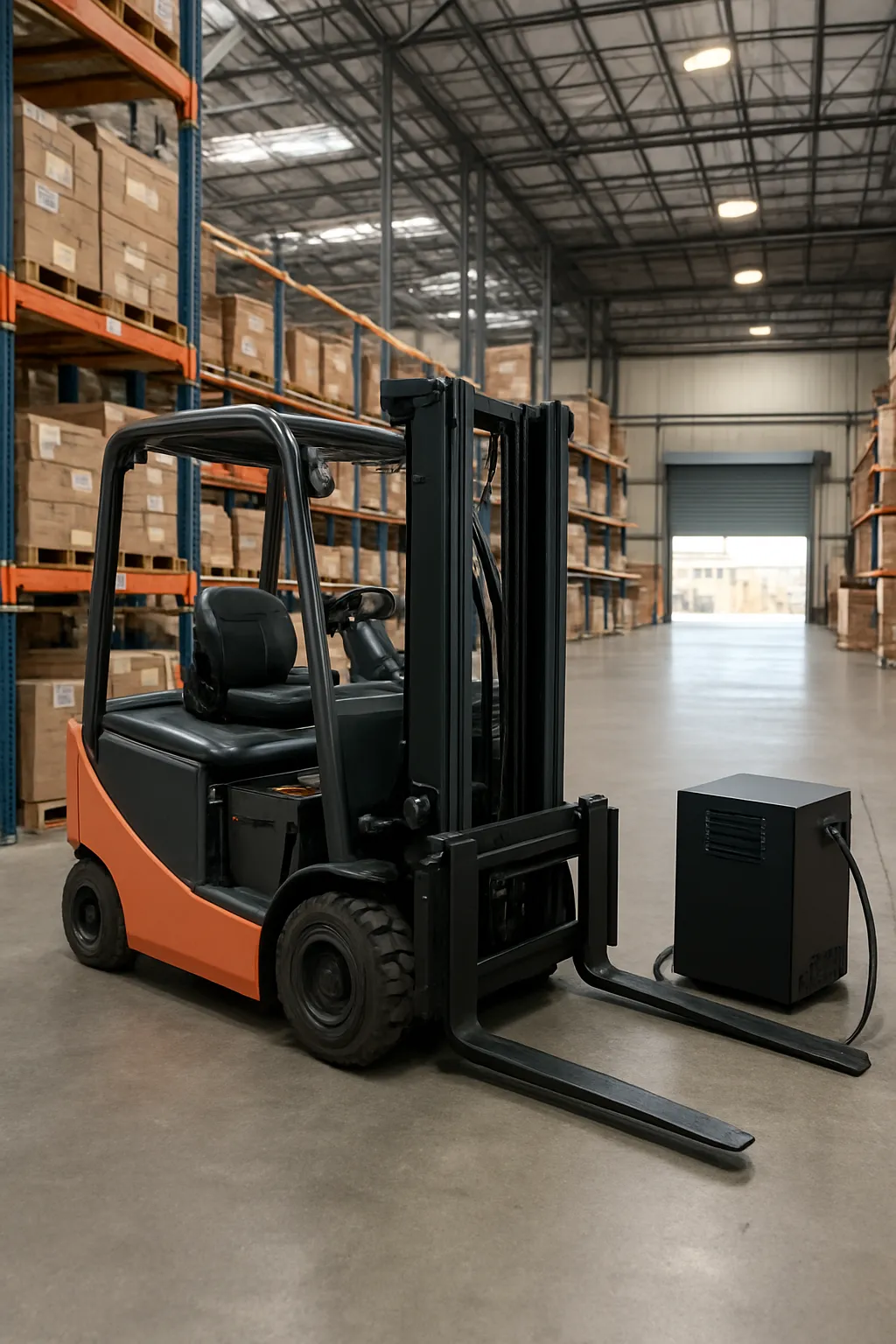
The battery is the heart of every electric forklift. Its performance directly affects equipment availability, operator productivity, and maintenance expenses.
Houston warehouses often operate:
Selecting the right battery technology helps maximize uptime while supporting operational efficiency.
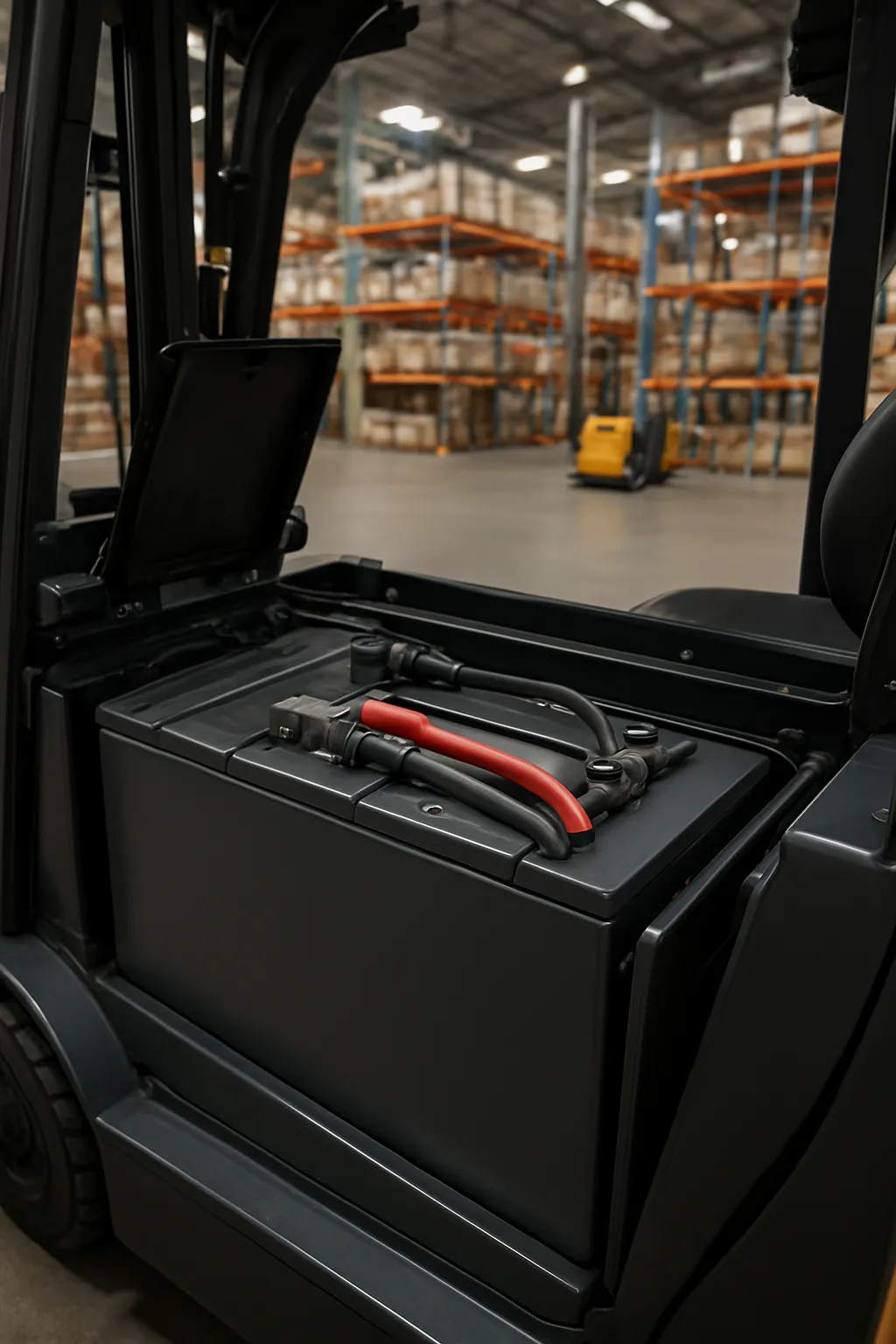
Lead-acid batteries have been the industry standard for many years.
Lead-acid batteries generally have a lower initial purchase cost.
Lead-acid technology has a long history of proven reliability.
Widely available replacement parts and established charging infrastructure support continued use.
However, they also require significant routine maintenance.
Typical maintenance includes:
Improper maintenance can shorten battery life and reduce overall performance.
Lithium-ion technology has transformed electric forklift operations. Unlike lead-acid batteries, lithium-ion systems require very little routine maintenance.
Key advantages include:
These benefits have made lithium-ion an increasingly attractive option for warehouses operating multiple shifts.
Charging speed is one of the biggest differences between the two battery technologies.
Typically requires:
Facilities operating around the clock often require multiple batteries per forklift.
Offer:
This flexibility helps reduce downtime while improving equipment utilization.
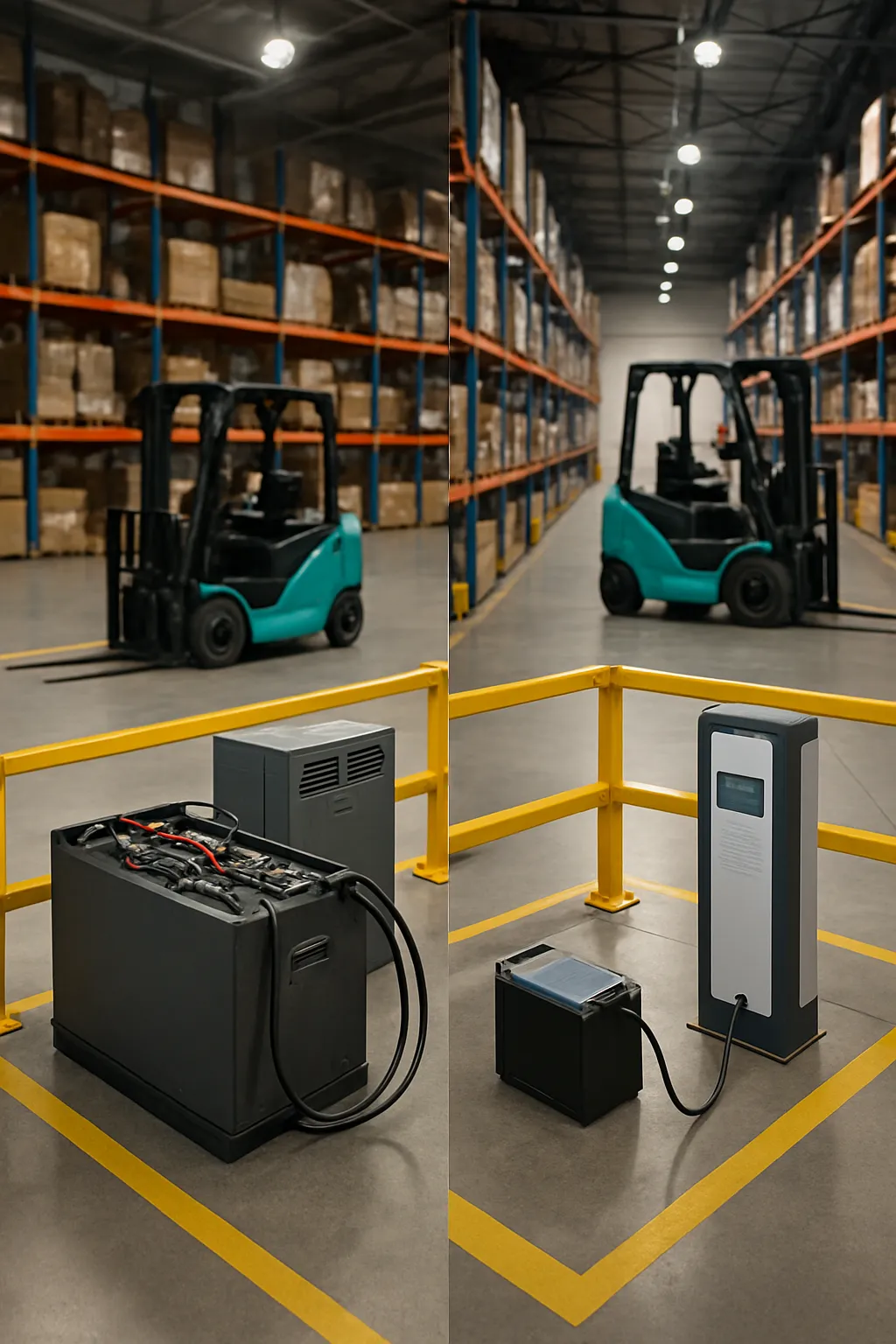
Maintenance costs can significantly affect total ownership expenses.
Operators or technicians must:
Routine maintenance is much simpler.
Businesses benefit from:
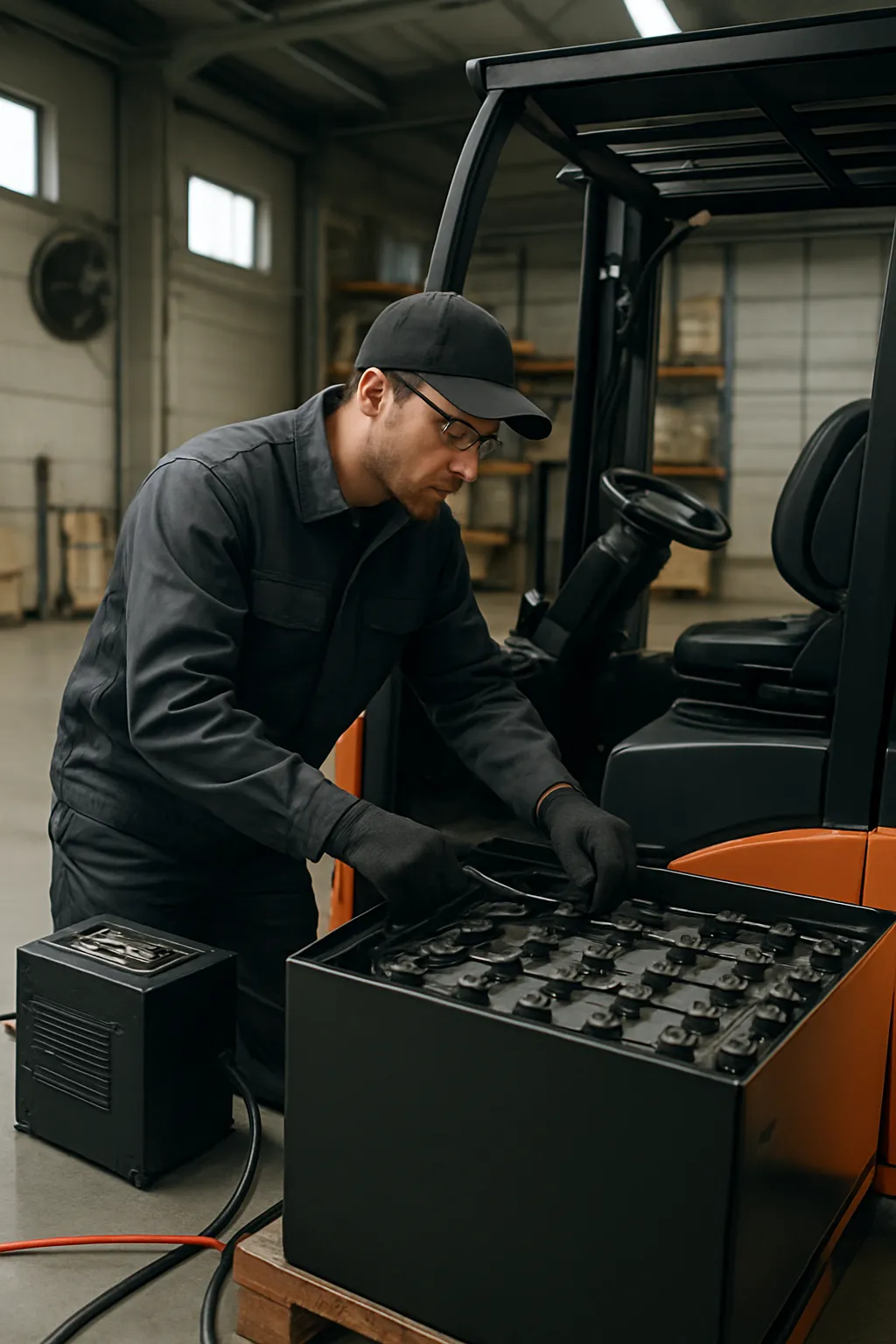
Lower maintenance demands allow maintenance teams to focus on other critical equipment.
Battery replacement is one of the largest lifecycle costs for electric forklifts.
Lead-acid batteries typically require replacement sooner than lithium-ion alternatives, especially in demanding multi-shift environments.
Lithium-ion batteries generally provide:
Although the initial investment is higher, many businesses recover the additional cost through reduced maintenance and improved productivity.
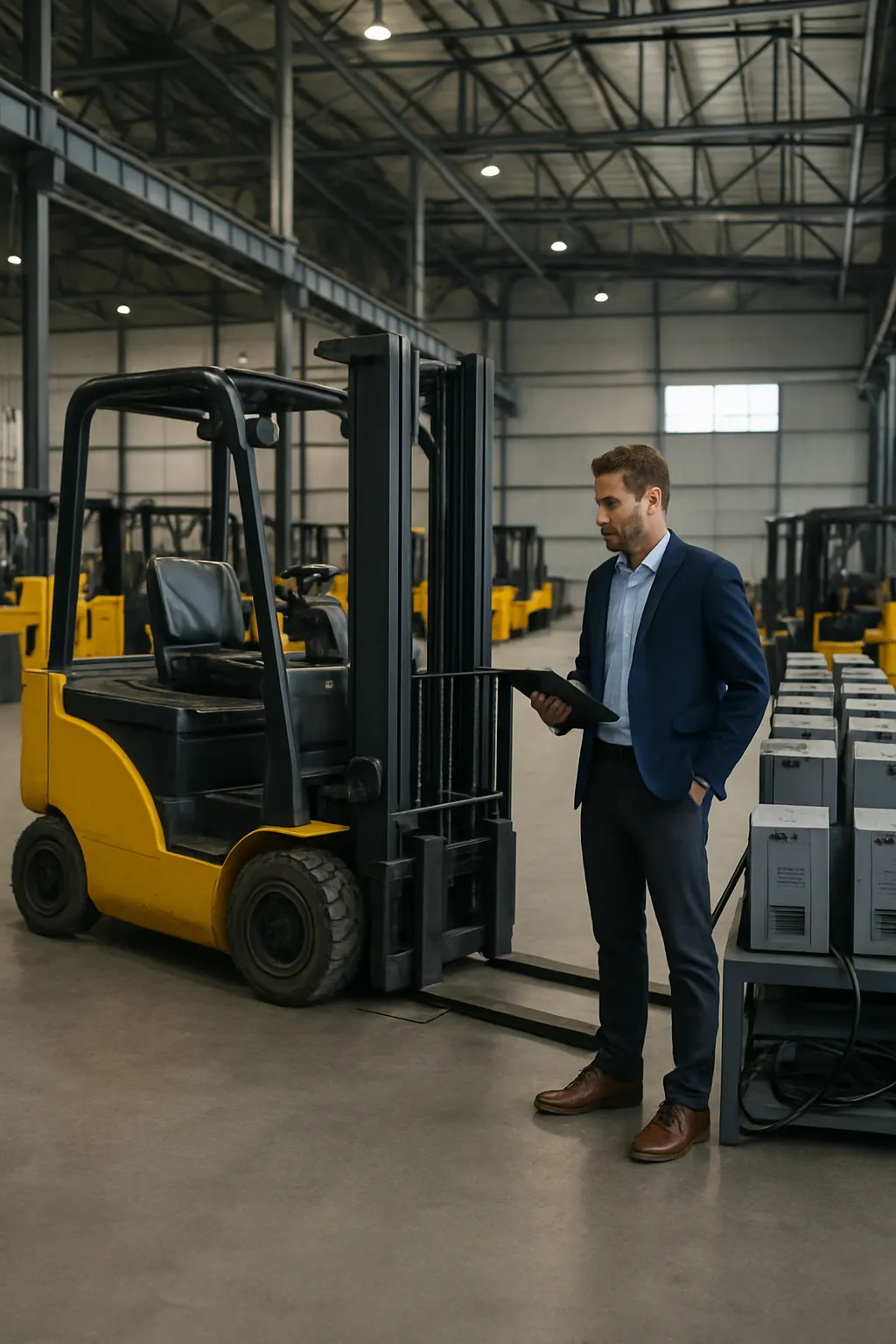
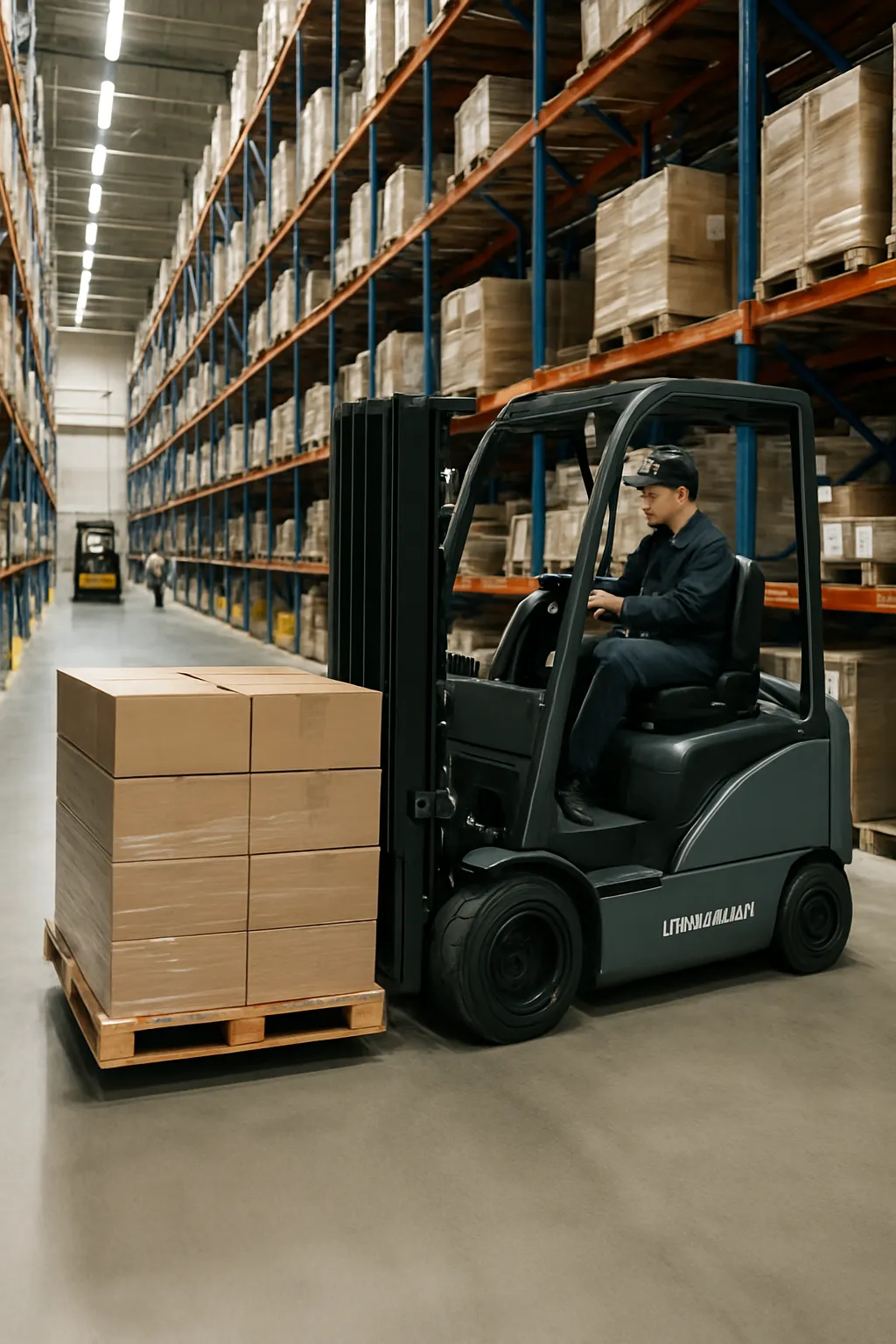
Battery technology influences more than operating costs.
It also affects daily workflow.
Lithium-ion batteries help improve productivity by reducing:
Operators spend more time moving products and less time waiting for equipment.
Houston continues to expand as a logistics and distribution hub.
Many companies are modernizing facilities while pursuing:
Lower operating costs are becoming an important part of fleet replacement strategies.
Sustainability goals and cleaner indoor air are influencing equipment decisions.
Improved warehouse efficiency supports growing logistics and distribution activity.
As these priorities evolve, electric forklifts are becoming a larger part of fleet replacement strategies.
Organizations evaluating new equipment should also consider how future warehouse expansion may affect charging infrastructure and battery capacity requirements.
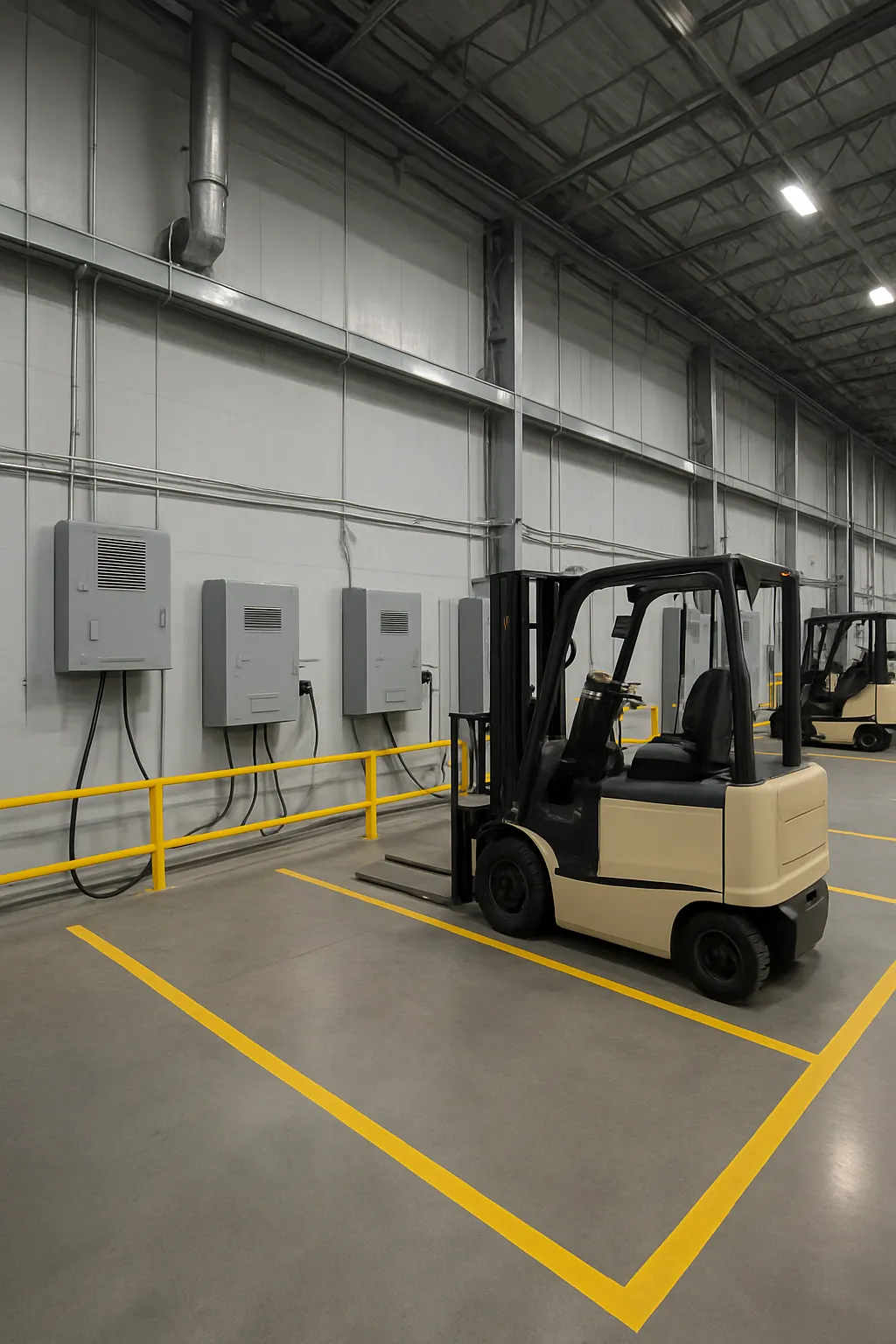
Transitioning to electric forklifts involves more than purchasing new equipment.
Warehouse managers should evaluate:
Careful planning ensures charging systems support daily operational demands without creating bottlenecks.
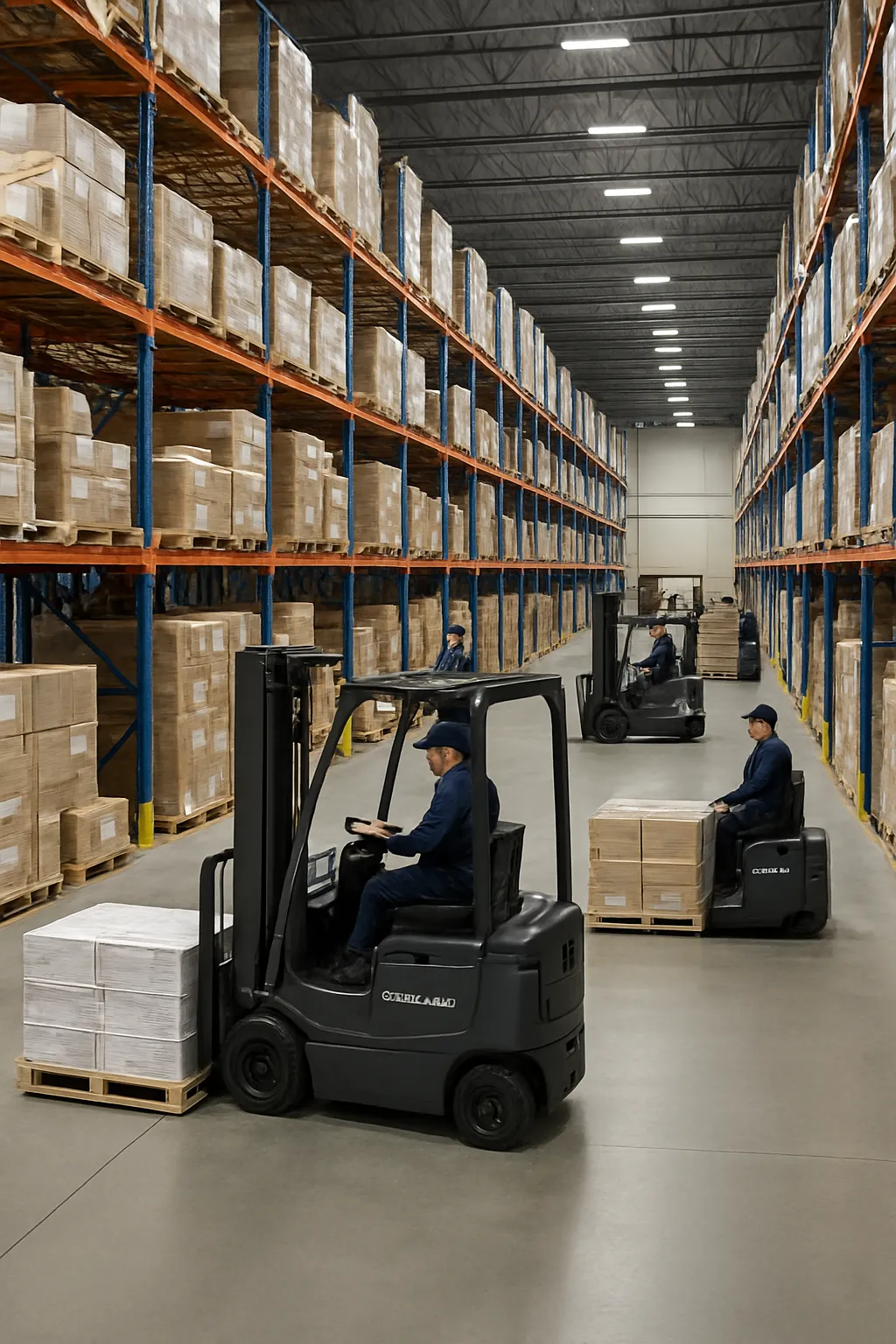
The shift toward lithium-ion technology is no longer limited to a few industries.
Across North America, distribution centres, manufacturers, and logistics providers are increasingly investing in electric fleets because of lower operating costs and improved efficiency.
Businesses exploring modern equipment can learn more about leading the shift as warehouses upgrade aging internal combustion fleets. These resources explain how electric forklifts continue transforming warehouse operations throughout Canada and the United States.
There is no universal answer.
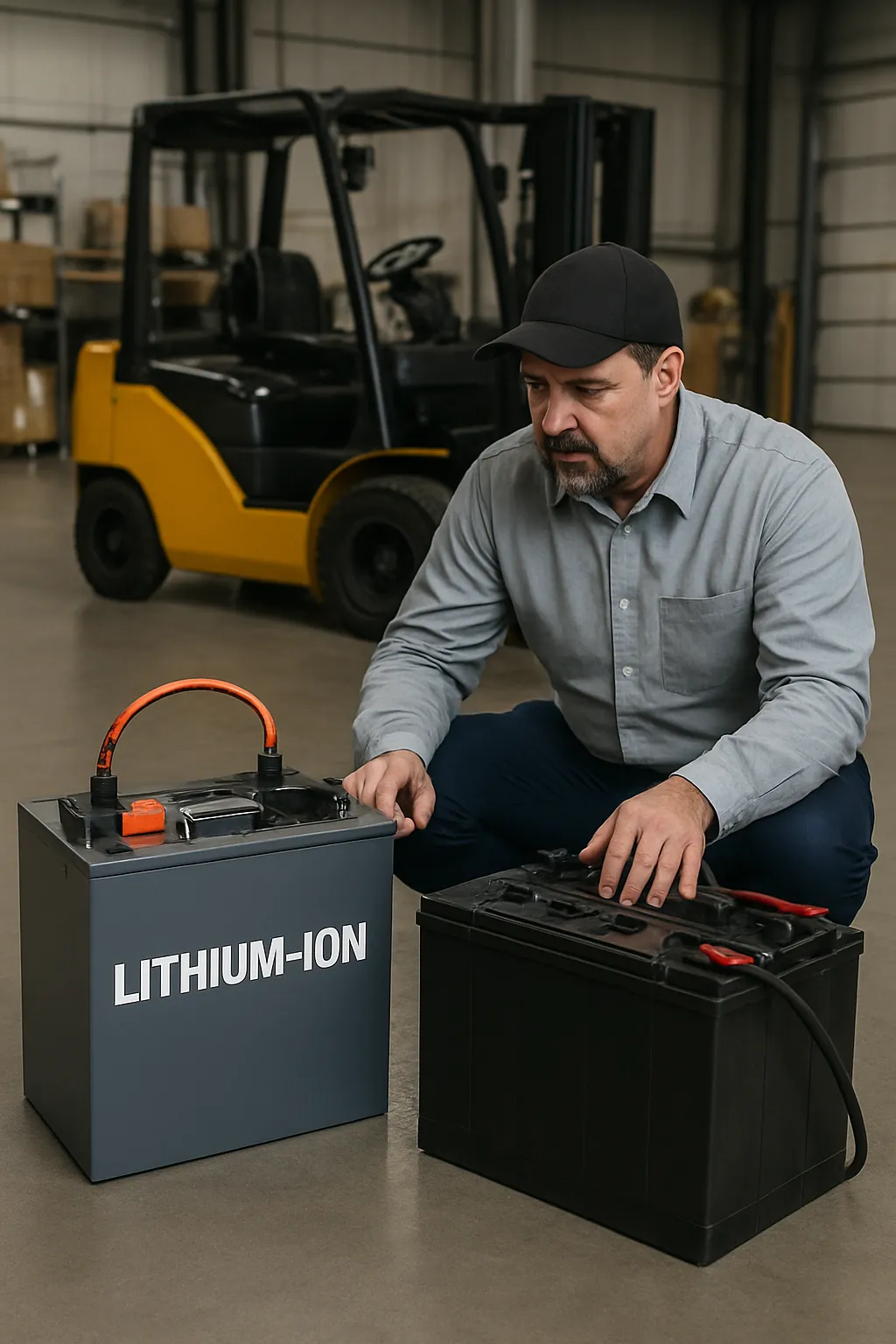
Evaluating operational requirements rather than purchase price alone leads to better investment decisions.
Choosing between lead-acid and lithium-ion batteries is a strategic decision that affects warehouse productivity, maintenance costs, and long-term fleet performance. While lead-acid technology remains a dependable option for many operations, lithium-ion batteries continue to reshape the material handling industry through faster charging, lower maintenance, longer service life, and greater operational flexibility.
For Houston warehouse operators planning future fleet investments, understanding these differences is essential. A careful evaluation of charging infrastructure, operating schedules, maintenance resources, and long-term business goals will help ensure the chosen battery technology delivers the greatest return on investment.
